Discover the strength of a dome

Discover the strength of a dome

Discover the strength of a dome
Some of the strongest shapes in nature are curves and domes. Think of the ancient temples, churches and buildings that are still standing after hundreds of years. Explore why a dome is so strong with your kids and help them learn about these cool scientific facts.
Number of players:
1+
What you need:
Four empty eggshells
Scissors
Masking tape
Medium-sized books
Activity:
Tape some masking tape around the middle of one eggshell.
Cut the eggshell in half through the masking tape, leaving four eggshell halves.
Place the eggshells dome up in a rectangle sized just a bit smaller than one of your books.
Carefully place a book on the eggshells. The eggs will hold it without cracking.
Keep adding books until the eggshells crack. How many books can they support?

Colour breakdown experiment

Colour breakdown experiment

Colour breakdown experiment
Science experiments are fun to do and a great way for children to learn. Children will enjoy spending time colouring and seeing what happens to the colour when placed in water with this experiment.
What You Need:

Water
Baking dish
Blotting paper
Coloured textas
Activity:

Fill the baking dish with water.

Using a coloured texta, draw a circle on the bottom of the blotting paper about 2-3cm from the bottom edge of the paper. Get your child to colour the circle in. Repeat this using different coloured textas.

Hold the top end of your paper up with one hand and place the bottom edge of the paper into the water (making sure that the coloured circles do not touch the water).

Hold the paper there for a few minutes so that the blotting paper can absorb the water.

Remove the paper from the water and lie it on the table for observation.

Keep an eye on the texta circles that you drew to see what happens as the water travels up the blotting paper and reaches your circles.

Bend a pencil without magic

Bend a pencil without magic


Bend a pencil without magic
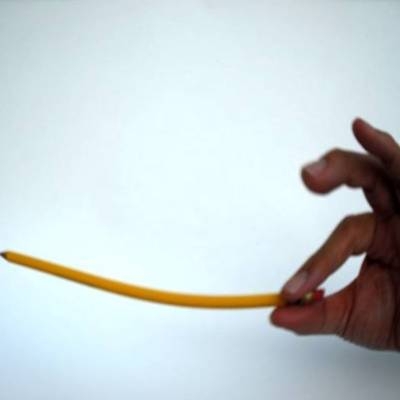
Explore how light can trick your eyes and learn about light refraction with your kids with this easy fun kids science experiment. Bending a pencil is easier than you think and your kids will love showing this experiment to their friends.
Number of players:
2+
What you need:
Pencil
Water
Clear glass
Activity:
Half a fill a glass with water.
Place the pencil in the water.
Look at the pencil from the top.
Now look at the pencil from the side.
Does the pencil look bent?
Think the light is playing a trick on your eyes? Well it is!
Notes
This is an example of refraction. The pencil is straight, but the light passing through water is making the pencil look bent.

Absorption experiment

Absorption experiment

Simple science experiments you can do at home with your kids are a fun way to introduce children of all ages to basic scientific concepts. Find easy science experiments now with easy to follow step by step instructions.

Absorption experiment

Science experiments are so much fun for kids and so easy to do in your own home. This simple absorption experiment will intrigue the kids and have them asking why and how?

Number of players:
1+
What you need:
masking tape
narrow glass jar
water
paper towels
marker
Activity:
Stick a piece of masking tape lengthwise down the side of your jar.

Fill it with water.

Mark the level of water on the tape with your marker.

Fold one sheet of paper towel in half four times to make a small square.

Dip the entire paper square into the jar of water.

Remove the wet paper towel.

Mark the new water level on the tape.

Refill the jar with water to the original level.

Lay three sheets of paper towels on top of each other.

Fold them in half four times to make a small square.

Dip the paper square into the water.

Remove the wet paper and mark the water level.

The water level will have decreased substantially compared to the single sheet of paper towel.
Why?
Folding the sheets makes them smaller but does not change the way they soak up water.

The thicker the towel, the more it will absorb.

Brain Teasers Puzzles

Brain Teasers Puzzles

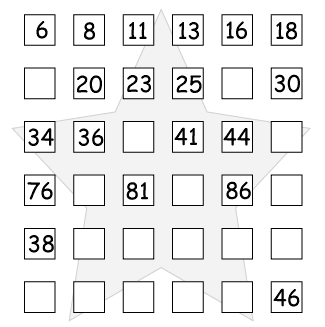
Can you solve this mathematics number pattern? Study the first row of numbers, find the number pattern and apply this on the other rows. Are you clever enough to solve this puzzle?

PuzzleL1P2

n this math teaser, look at the first row of numbers and try to find the pattern that you need to apply to the other rows. Are your math skills good, or do you need some remedial lessons?

PuzzleL1P7

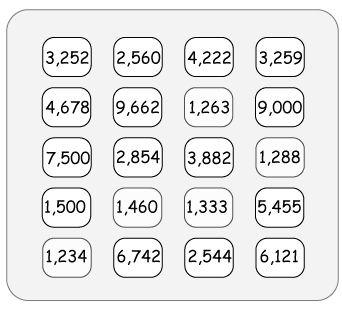
Math color activity. If a number has 5 tens, color it blue. If a number has 5 hundreds, color it yellow. If a number has 1 thousand, color it red and if a number has 2 ones, color it green. This is a great math place value activity!

PuzzleL1P17

Number Puzzles

Number Puzzles

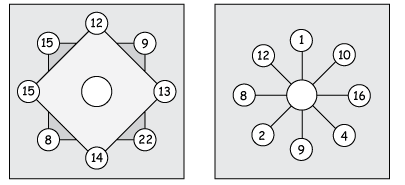
Can you solve this number pattern? Which numbers will complete the rows?Use your creativity to solve this math puzzle.
PuzzleL1P11

The numbers in each square follow a mathematical pattern. Use your problem solving skills to solve this brain teaser. Think out of the box!

PuzzleL1P12

Study the first row and find the mathematical pattern. Apply this to all rows. Use your basic math skills.

PuzzleL1P13

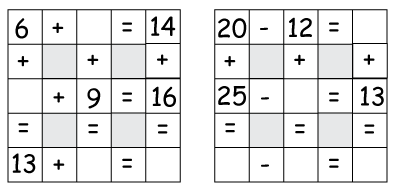
Try to fill in the blanks so that each equation is correct. Easier said than done.

PuzzleL1P15


Alphabet Puzzle

Alphabet Puzzle

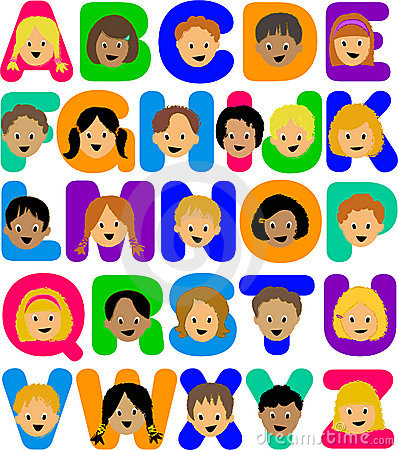
Kids from 2 to 6 will have fun discovering and learning the alphabet while solving puzzles. Letters are pronounced when the puzzle is completed.


How many alphabet in the  colouring page and puzzle…

63-1

How many words in the  colouring page and puzzle…

fruitkwsso

Find the related words in the  colouring page and puzzle…

word-1

Counting Puzzles

Counting Puzzles

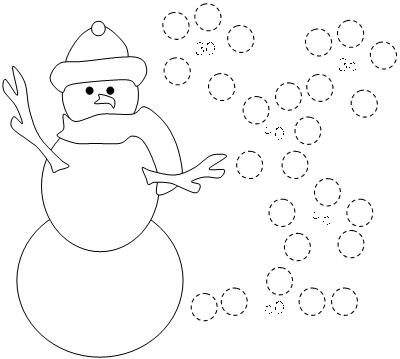
How many Easter circle can the kids spot in the  colouring page and puzzle…

SnowmanCountby5

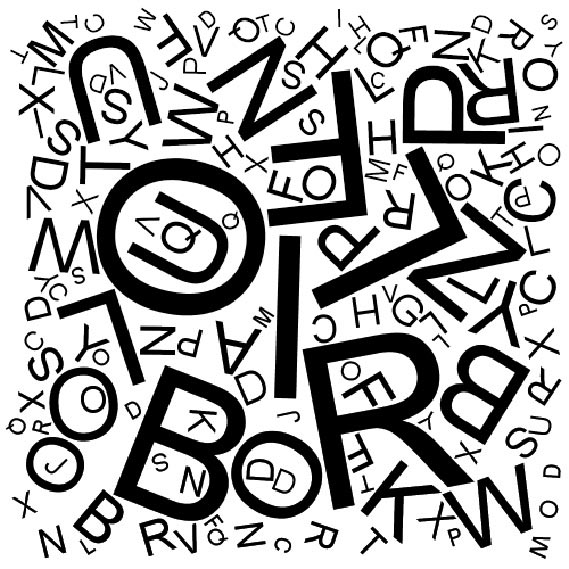
How many alphabets in this page and puzzle…

Graffiti-Alphabets-Puzzle-Letters-A-Z-font

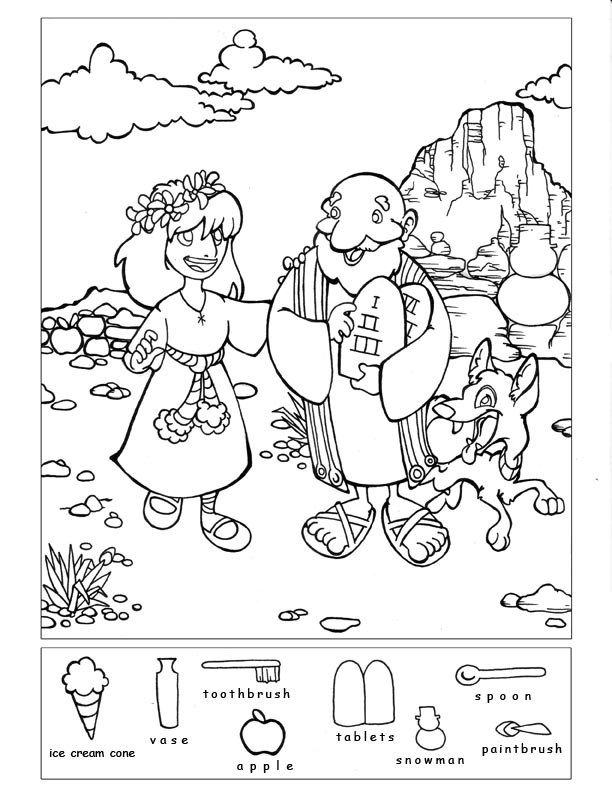
Find the items in this coloring page and puzzle…

tencommandhiddenpuzzles


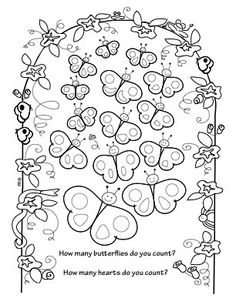
How maney butterflies and hearts do you count…?

71e2ee2613fda096fe3d88645d1bfb3c


Birthday Puzzles

Birthday Puzzles

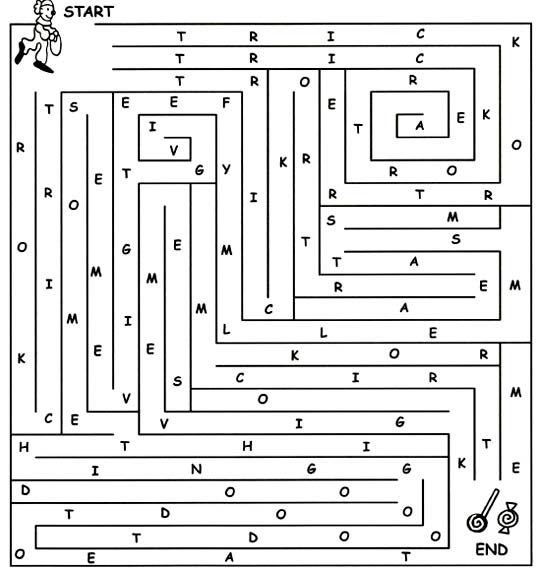
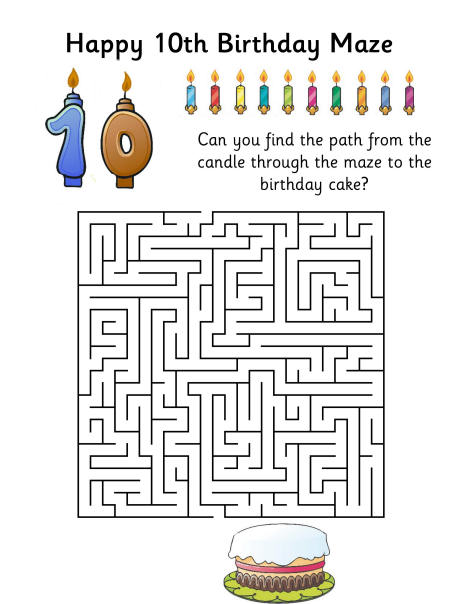
10th Birthday Maze

Celebrate a special 10th birthday with this printable maze!

10th_birthday_maze_460

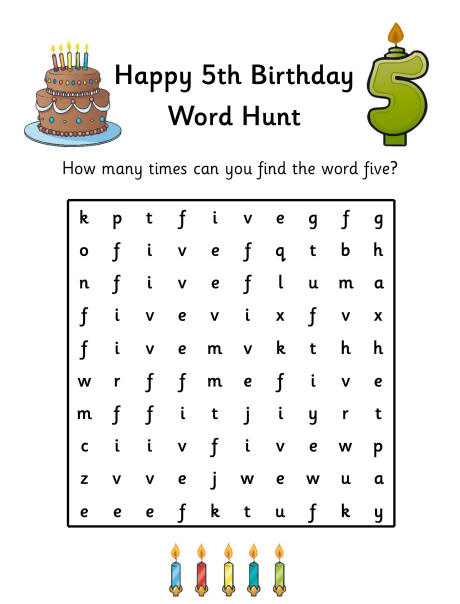
5th Birthday Word Hunt

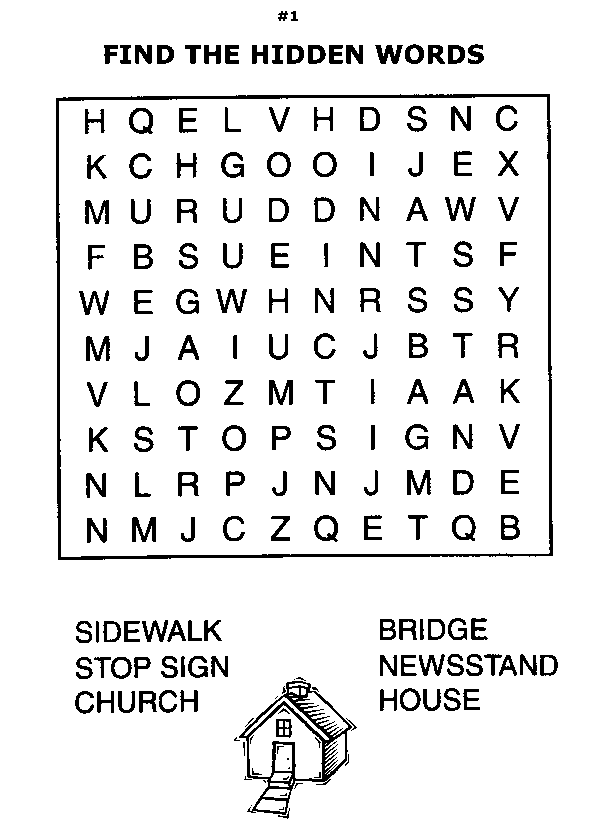
Word search hunt on a special 5th birthday – how many times can your child find the word “five” in the puzzle below?

5th_birthday_word_hunt_460

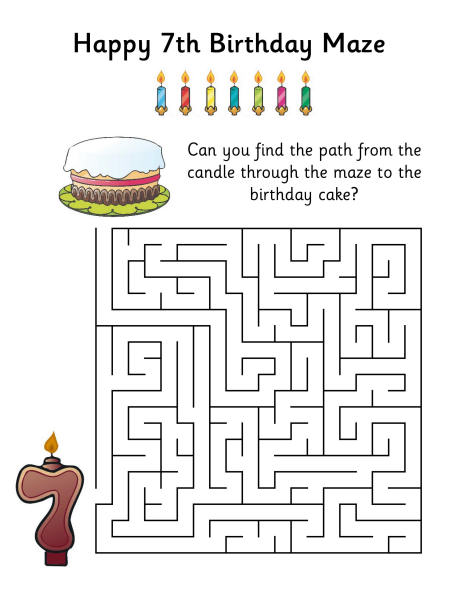
7th Birthday Maze

Enjoy this 7th birthday maze with the birthday child – or pop it into some party bags! Can you find the path from the candle through the maze to the birthday cake?

7th_birthday_maze_460


Diwali Crafts

Diwali Crafts

Diwali Door Hanging

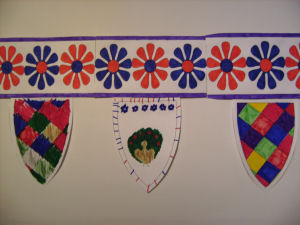
At Diwali it is traditional to hang an embroidered door hanging, or toran, above doorways to welcome visitors and hopefully the Goddess of Fortune Lakshmi to your home. Make your own simple version from paper with the help of our printables.

You will need:

Printable pages – or your own version
Colouring pencils and pens
diwali_door_hanging

Instructions:

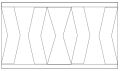
Print out three copies of your chosen “band” design (or our blank template, if you would like to do your own design) and colour them in. Print out three “drops” and again colour these in. The hangings are usually symmetrical.

Cut out the three bands and tape them together along the back so they form one length. Cut out the drops and tape these along the bottom of the band as in the photo above.

Use sticky tack to stick the banner to the top of your door frame.

Blank band
toran_band_pattern

Blank band

toran_flowers


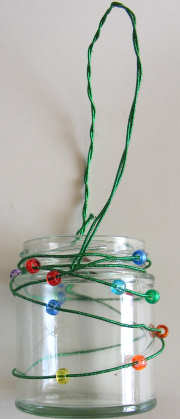
Beaded Candle Holder

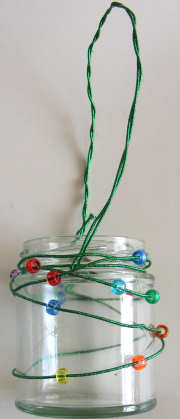
When you light a tea light in this pretty beaded candle holder, no-one will guess that it is a recycled glass jar! Use pretty glass or plastic beads for a lovely stained-glass effect.
beaded-candle-holder

You will need:

A small glass jar Craft wire Beads

Instructions:

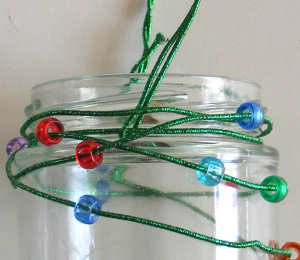
Wrap the wire tightly around the top of the jar. Make a loop of wire over the top of the jar to make a handle. Feed under the wire around the jar rim and pass back over to make another loop. Twist the two loops together.
beaded-candle-holder-detail

Feed some beads on to the wire, widely spaced out.

Twist the wire around the body of the jar. When you have wrapped around all of the wire, twist the end into the wire around the rim to hold everything in place.

Coloured Sand Rangoli

You may be able to buy coloured rice for your rangoli projects. If not, coloured sand (available from craft stores) makes a good alternative. You can also die your own coloured salt, by simply mixing cheap table salt with food colouring and then spreading it out to dry.
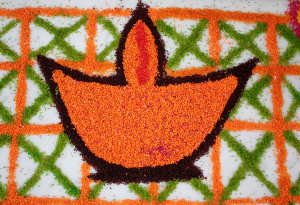
coloured_sand_rangoli

In traditional rangoli, the outline pattern is drawn on the floor and then filled in by carefully sprinkling coloured powders. Older children could try this technique directly on the ground with coloured sand or salt, having drawn their outline with chalk. Make sure they try this somewhere away from too much foot traffic, and easy to clean!

You will need:

Chalk for drawing a grid or outline
Newspaper to work on
Coloured rice, salt or sand
Large piece dark paper (black construction paper is ideal)
PVA glue
Optional – glitter

You may prefer to draw your outline on a piece of dark coloured paper and then fill in each section with white glue, sprinkling with sand or salt as you would with glitter. Do one colour at a time and shake the excess off onto a large piece of newspaper.

Children could use glitter in some areas of the design for contrast and emphasis.