Magnetic paper clip experiment

Magnetic paper clip experiment

Magnetic paper clip experiment
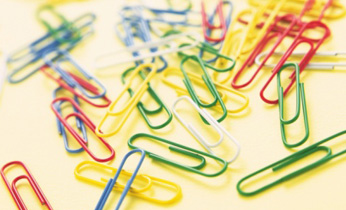
Science experiments are fun to do and great for children to learn. This magnetic paper clip experiment is simple to do and will teach your kids about magnetic forces.
What You Need:

Magnet
Paper clips
Activity:

Hang one paperclip from the magnet.

Use the hanging clip to pick up other paper clips.

See how many paper clips you can pick up using only one magnet.

You can also try this with different sizes of paper clips or paper clips that have plastic coating.

Ice play

Ice play

Ice play
Inspire your child’s imagination with ice play, a great science experiment kids activity that may just spark a lifetime of scientific curiosity. Kids love to explore the unknown so dive into this fun science project today.
Number of players:
1+
What you need:
balloons
water
freezer
Activity:
Different shaped balloons work best with this activity.
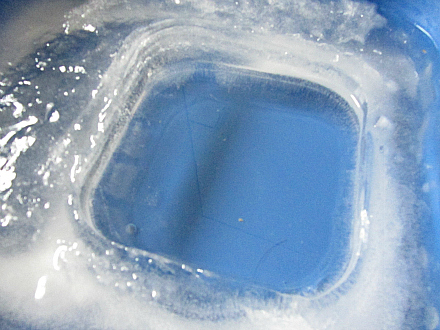
Select balloons of different shapes, fill them with water and place them in the freezer overnight.

When they are frozen, cut away the balloons and place them on the first step of the pool.
Allow your child to play with the shape and watch the shape change as the warmer water starts to melt it.

You can spice this up with a bit of food colouring in an eye dropper if you are not in the pool
Let them squeeze drops onto the shape and watch the colour of their ice shape change.

Make coloured flowers

Make coloured flowers

Make coloured flowers
Children love to learn and experiment with new things. Science experiments are fun to do and are a great way for children to learn about the world around them. Try this coloured flower experiment with your kids.
What You Need:

water
scissors
food colouring
plastic cup
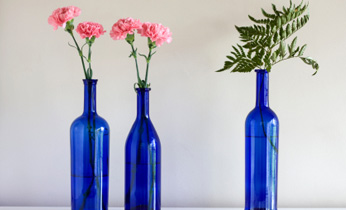
flower, white carnation or celery stalk with leaves
Activity:

Fill up a plastic cup with water.

Add a few drops of food colouring to the water.

Cut the end off the flower stem or celery stalk.

Put the flower stem or celery stalk in the water.

Over the next six to 12 hours, the food colouring will be drawn up the stem along tiny tubes which are called vessels and the petals of the flower will start to change in colour.

Indoor rainbow

Indoor rainbow

Indoor rainbow
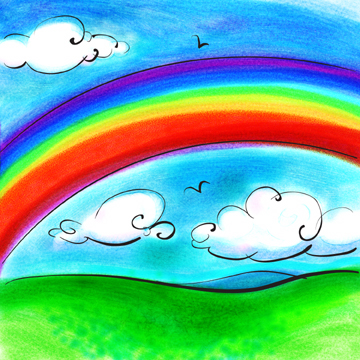
Everyone loves seeing a rainbow. With this cool activity you can now have a rainbow inside even if it hasn’t been raining. Follow the simple steps and your house will be full of rainbows in no time.
Number of players:
1+
What you need:
small mirror
circular glass jar or large plain drinking glass filled with water
torch
Activity:
Place the small mirror inside the jar or glass.
Make sure the mirror is slightly tilted upwards.
Then take your glass into a very dark room with white walls.
Shine your torch onto the mirror and watch as the colours of the rainbow appear.

How do seeds grow experiment

How do seeds grow experiment

How do seeds grow experiment
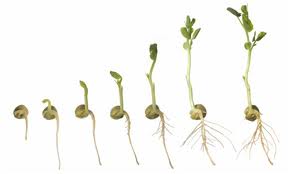
Science experiments are fun to do and a great way for children to learn. Your children will enjoy observing with this science experiment and watching the seeds grow.
What You Need:

Paper towel
Pencil
3 different seeds, for example corn, beans, radish
Stapler
Ziplock plastic bag
Water
Activity:

Fold the paper towel in half.

Poke three small holes using a sharp pencil, equally spaced along the fold of the paper towel.

Place the seeds over the top of the holes.

Fold the paper towel back and staple up the side to make a pouch.

Place the paper towel into a ziplock bag.

Pour a small amount of water into the ziplock bag (the paper towel should end up damp).

Do not close the bag, leave it open.

Hang your experiment on the wall in a bright location.

Watch over the coming weeks as the seeds germinate and begin to grow.

Jumping pepper science experiment

Jumping pepper science experiment

Jumping pepper science experiment
Science for kids is fun and exciting. Watch the kids learn and discover new things all the time. The best part is – science is fun.
Number of players:
1+
What you need:
pepper
plastic box
woollen scarf
Activity:
Sprinkle a thin layer of pepper into a small see-through plastic box.

After putting the lid on, rub the lid with a woollen scarf for 30 seconds.

After the 30 seconds, watch the lid.

You should be able to see specks of pepper jumping up and hitting and sticking to the lid of the box. Why?

Rubbing the lid with the woollen scarf creates a build-up of static electricity, which attracts the pepper.

Discover the strength of a dome

Discover the strength of a dome

Discover the strength of a dome
Some of the strongest shapes in nature are curves and domes. Think of the ancient temples, churches and buildings that are still standing after hundreds of years. Explore why a dome is so strong with your kids and help them learn about these cool scientific facts.
Number of players:
1+
What you need:
Four empty eggshells
Scissors
Masking tape
Medium-sized books
Activity:
Tape some masking tape around the middle of one eggshell.
Cut the eggshell in half through the masking tape, leaving four eggshell halves.
Place the eggshells dome up in a rectangle sized just a bit smaller than one of your books.
Carefully place a book on the eggshells. The eggs will hold it without cracking.
Keep adding books until the eggshells crack. How many books can they support?

Colour breakdown experiment

Colour breakdown experiment

Colour breakdown experiment
Science experiments are fun to do and a great way for children to learn. Children will enjoy spending time colouring and seeing what happens to the colour when placed in water with this experiment.
What You Need:

Water
Baking dish
Blotting paper
Coloured textas
Activity:

Fill the baking dish with water.

Using a coloured texta, draw a circle on the bottom of the blotting paper about 2-3cm from the bottom edge of the paper. Get your child to colour the circle in. Repeat this using different coloured textas.

Hold the top end of your paper up with one hand and place the bottom edge of the paper into the water (making sure that the coloured circles do not touch the water).

Hold the paper there for a few minutes so that the blotting paper can absorb the water.

Remove the paper from the water and lie it on the table for observation.

Keep an eye on the texta circles that you drew to see what happens as the water travels up the blotting paper and reaches your circles.

Bend a pencil without magic

Bend a pencil without magic


Bend a pencil without magic
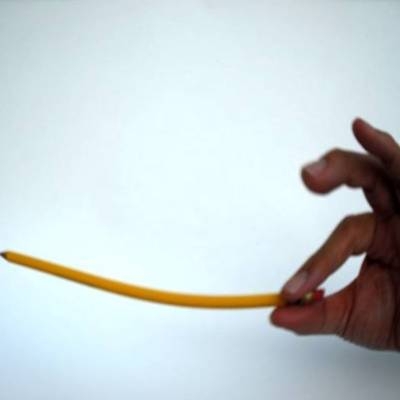
Explore how light can trick your eyes and learn about light refraction with your kids with this easy fun kids science experiment. Bending a pencil is easier than you think and your kids will love showing this experiment to their friends.
Number of players:
2+
What you need:
Pencil
Water
Clear glass
Activity:
Half a fill a glass with water.
Place the pencil in the water.
Look at the pencil from the top.
Now look at the pencil from the side.
Does the pencil look bent?
Think the light is playing a trick on your eyes? Well it is!
Notes
This is an example of refraction. The pencil is straight, but the light passing through water is making the pencil look bent.

Absorption experiment

Absorption experiment

Simple science experiments you can do at home with your kids are a fun way to introduce children of all ages to basic scientific concepts. Find easy science experiments now with easy to follow step by step instructions.

Absorption experiment

Science experiments are so much fun for kids and so easy to do in your own home. This simple absorption experiment will intrigue the kids and have them asking why and how?

Number of players:
1+
What you need:
masking tape
narrow glass jar
water
paper towels
marker
Activity:
Stick a piece of masking tape lengthwise down the side of your jar.

Fill it with water.

Mark the level of water on the tape with your marker.

Fold one sheet of paper towel in half four times to make a small square.

Dip the entire paper square into the jar of water.

Remove the wet paper towel.

Mark the new water level on the tape.

Refill the jar with water to the original level.

Lay three sheets of paper towels on top of each other.

Fold them in half four times to make a small square.

Dip the paper square into the water.

Remove the wet paper and mark the water level.

The water level will have decreased substantially compared to the single sheet of paper towel.
Why?
Folding the sheets makes them smaller but does not change the way they soak up water.

The thicker the towel, the more it will absorb.